top of page
Tala
She/Her
Jefferson County

"I had always known that I was powerful. Just because I've always been able to use my voice. My mom and my daddy both encouraged me to, like, speak up for myself, say what's on my mind. So I already had that in me, but that was one of the times that I was able to really, like, flex my people power."
"So many of my identities are things that America hates, right? My womanhood, my blackness, my queerness, I'm not Christian, I am spiritual, my dark skin, my hair, and so all of those things are things that that are on the disadvantaged side of oppression, and so I've always had to bring all of who I am to any table that I exist in. I just can't come to the table as my black self. I'm bringing my black queer identity, and even in those white feminist spaces, I'm not just coming as a woman, I'm coming as a black woman, and all of those pieces of me are important, and it helps me navigate the world."
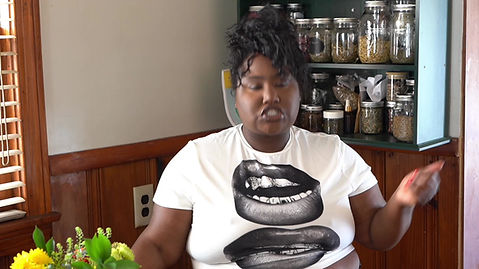
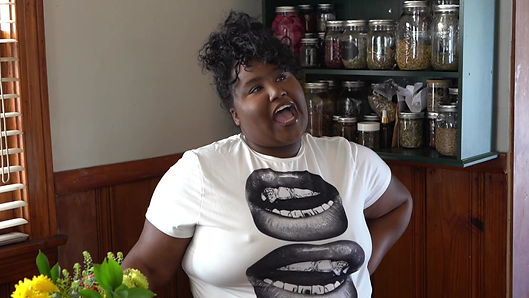
"And by practicing that self-actualization, by practicing that self-study, by you know, being in the self-recovery that you have to go through because we've been through so much as people. It doesn't matter what age you are. You can be 10, you can be 50, you can be 100 or you can be 30 to like me, you have to recover from the world. This world does not love us, and that's something that we have to know, and we have to, you know, sit with and come to terms with. And so you have to love yourself in such a radical way that it's overwhelming to the people around you. And by doing that, you can give love. By doing that, you can give you know, I'm saying joy to other people."
bottom of page